From Detection to Decontamination: Mold Testing and Removal Explained
When to Mold Test
Testing for mold is something homeowners should consider in certain situations to avoid health risks and property damage. There are three primary reasons you may need to schedule a mold test:
- After water damage or flooding
- Unexplained health symptoms
- Musty smell or visible spots
After Water Damage or Flooding
Whenever water enters your home due to a flood, plumbing issue, or a leak, the risk of mold growth increases. Even after drying out the area, moisture can remain trapped in walls, floors, or ceilings, creating the perfect conditions for mold. Testing for mold after any water damage ensures you address the problem early, before it spreads and becomes costly to remove.
Request a QuoteUnexplained Health Symptoms
If members of your household start experiencing unexplained respiratory issues, headaches, or skin irritation, mold could be the cause. Mold spores can trigger allergies and worsen asthma symptoms. If these problems occur without any obvious cause, a mold test can determine whether hidden mold is affecting the air quality in your home.
Visible Signs of Mold
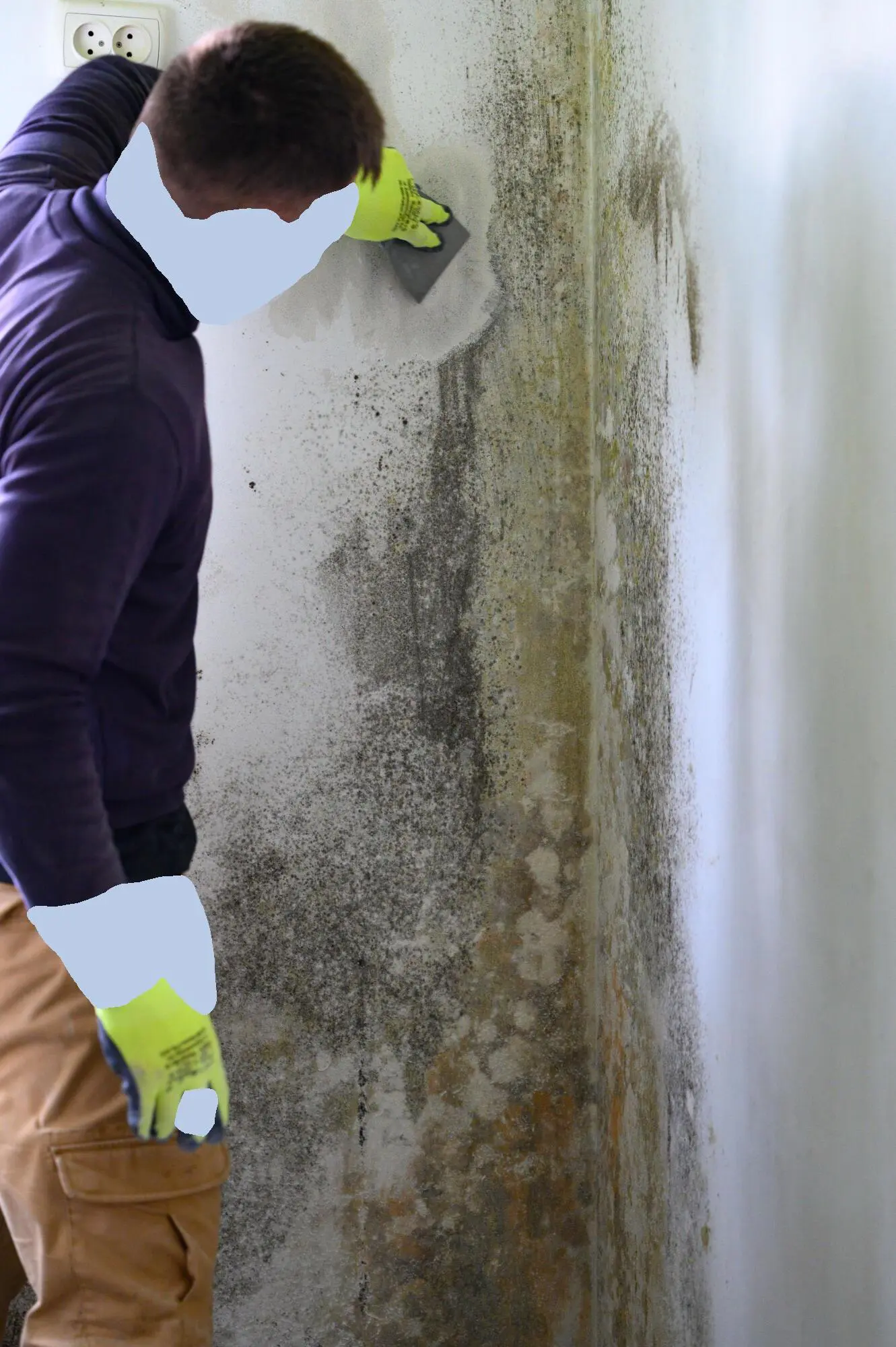
Seeing mold spots or smelling a musty odor are clear indicators that mold is present in your home. Sometimes mold can grow in areas that are not immediately visible, like behind walls or under floors. A test can confirm the extent of the problem and help you decide on the next steps for removal.
Request a QuoteMold Detection Techniques
Detecting mold in your home involves a variety of techniques, each offering a different level of accuracy and detail. There are three main ways to detect mold:
- Visual inspection
- Air sampling
- Surface testing.
Visual Inspection
A visual inspection is often the first step in detecting mold. It involves examining areas where mold is likely to grow, such as basements, bathrooms, and kitchens.
During an inspection, you look for visible signs of mold, like discoloration on walls or ceilings and water stains that could indicate mold growth behind surfaces. Although this method can help spot mold on the surface, it may not detect hidden mold that’s growing behind walls or under floors.
Request a QuoteAir Sampling
Air sampling involves collecting samples of air from different areas of the home. It’s useful for detecting mold spores that may be present in the air, even if the mold isn’t visible.
Professionals often use specialized equipment to measure the concentration of spores and compare them to outdoor levels. Elevated indoor levels suggest the presence of mold that might not be seen.
Surface Testing
Surface testing involves taking samples from specific areas where mold is suspected. It could mean swabbing surfaces like walls, floors, or furniture to test for mold spores.
Surface testing is a reliable way to confirm mold in places that may seem clean but have hidden contamination. It helps pinpoint the exact areas that need attention during the mold remediation process.
Request a QuoteThe Mold Remediation Process
The first step is a thorough assessment. It involves identifying where mold is growing and how severe the contamination is.
Mold may be visible on walls or ceilings, but a deeper inspection can reveal hidden mold behind surfaces or in the air. Mold testing and inspection help professionals figure out the size and spread of the issue so they can plan an effective cleanup. Knowing the extent of the problem helps ensure that no areas are missed during removal.
Once the mold is identified, the next step is removal. Professionals start by sealing off the affected area to prevent mold spores from spreading to other parts of the house.
Specialized equipment, such as air filters and negative air machines, may be used to trap spores. Contaminated materials, like drywall, carpet, and insulation, often need to be removed and discarded if they’re too damaged by mold. Cleaning surfaces with antimicrobial treatments is also a common part of this step to eliminate remaining spores.
Request a QuoteAddressing the Source of Moisture
The final step in mold remediation is addressing the moisture issue that caused the mold in the first place. Mold thrives in damp environments, so fixing leaks, improving ventilation, or using dehumidifiers can help prevent mold from returning.
Without tackling the moisture problem, even the most thorough cleanup won’t stop mold from growing again. This step is just as important as the mold removal itself, as it ensures the home stays mold-free in the future.
Request a QuoteProfessional vs. DIY Mold Testing and Removal
When dealing with mold, homeowners often face the decision of whether to handle the issue themselves or hire a professional. Both approaches have their benefits and drawbacks, depending on the situation and severity of the mold problem.
Professional mold testing and removal offer a thorough and reliable solution. Experts have the tools and knowledge to detect mold in hidden places and use advanced methods to remove it effectively.
They also ensure that the mold doesn’t return by addressing the underlying cause, such as moisture or poor ventilation. While professional services come at a higher cost, they provide peace of mind and long-term protection for your home.
On the other hand, DIY mold testing and removal may work for small, surface-level issues. Homeowners can purchase mold testing kits and use common cleaning supplies to address minor mold problems.
However, DIY methods may not be as reliable, especially for detecting mold in hard-to-reach areas. If the mold has spread or if health issues are involved, hiring a professional is often the better choice.
Request a QuoteProfessional Mold Testing
A mold test is essential for keeping your home safe from harmful mold growth.
Since 2009, AAA Lead Professionals has been a trusted New Jersey environmental services companies, Pennsylvania environmental services companies taking care of mold, asbestos, and much more. We’re proud to offer top-level solutions with a commitment to integrity, professionalism, and expertise.
Get in touch today to find out how we can help with your mold issues!
Request a QuoteTestimonial
What Our Clients Say